

The U.S. political landscape has shifted again, with Donald Trump set to become the 47th president, bringing with him a Republican-led Senate and potentially the House. For the AI industry, these changes signify a potential rollback of regulatory policies enacted under the Biden administration, which could fundamentally reshape AI development and its oversight in America. With Trump’s commitment to dismantling the Biden-era AI policy framework, many wonder what this will mean for the future of artificial intelligence in the United States.
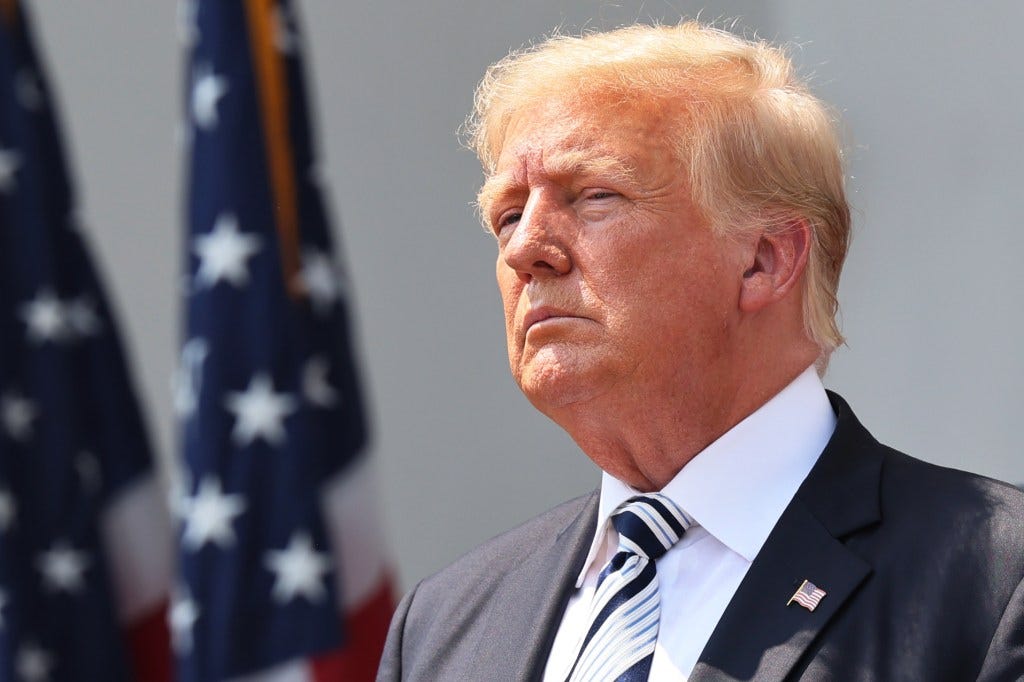
Image source/ credits: Michael M. Santiago / Getty Images
Biden’s AI Policies: A Focus on Regulation and Safety
Under President Biden, the AI Executive Order (EO), implemented in late 2023, took a more hands-on approach to AI, advocating for voluntary but extensive guidelines. The EO required companies to report on AI training, data usage, and model vulnerabilities and directed the Commerce Department’s National Institute of Standards and Technology (NIST) to craft standards to address biases and model safety.
This framework aimed to protect intellectual property and mitigate potential risks, especially in areas like cybersecurity and misinformation. Through establishing the U.S. AI Safety Institute (AISI), the Biden administration took strides to build a body that monitored and addressed risks associated with advanced AI, with significant backing from technology and policy leaders.
A New Era: Trump’s Light-Touch Regulatory Vision for AI
With Trump returning to office, the regulatory environment surrounding AI is likely to see significant shifts. Trump has signalled his intention to repeal Biden’s AI EO immediately, framing it as overly burdensome and an impediment to innovation. Critics of Biden’s EO, many of whom align with Trump, argue that current AI requirements compel companies to share sensitive information with the government, stifling innovation and scaring away entrepreneurs.
Trump’s past AI directives focused on promoting AI research and development while prioritizing “American values.” In his campaign, Trump expressed interest in policies that uphold free speech and avoid regulatory hurdles that, according to some Republicans, may entrench current AI giants while stifling new market entrants.
Key Implications for AI Development and Business
Reduced Federal Oversight: With the potential repeal of Biden’s EO, federal oversight of AI development may shrink considerably. This could mean fewer reporting requirements and looser standards, potentially accelerating innovation but raising concerns about unchecked risks.
Rise of State-Led AI Regulations: Without federal guidance, states—particularly those with Democratic majorities—may step in to regulate AI independently. California, for instance, has already passed laws addressing AI-related safety and transparency, and other states are likely to follow suit. This fragmented regulatory environment could make compliance more complex for businesses operating across multiple states.
Protectionist Trade Policies: Trump’s track record of imposing tariffs could have implications for AI, particularly in trade with China. Restricting the export of AI chips and models to China may limit certain technological exchanges. Still, it could also pressure the AI industry regarding resources and capital, as higher tariffs could cut into R&D funding.
Impact on Workforce and Immigration: The Trump administration has signalled a stricter stance on H-1B visas, which could reduce the influx of international AI talent. This restriction could impact tech companies that rely heavily on skilled workers from abroad, potentially leading to a talent shortage that could slow AI advancements.
Focus on Free Speech and Bias: Trump’s administration may pivot away from guidelines addressing biases and misinformation in AI. Republicans have criticized these measures as a form of ideological control, suggesting they may not prioritize regulating content moderation or algorithmic transparency. However, this may raise new concerns regarding accountability, as AI systems play an increasingly influential role in media and public discourse.
What Businesses Can Expect in the Near Term
While some see Trump’s rollback of AI regulations as a path to accelerating innovation, others are wary of the potential risks of a lighter regulatory hand. In the absence of a federal standard, businesses may find themselves facing varied state-level requirements, potentially complicating operations. Additionally, tightened trade and immigration policies could impact AI investments and workforce dynamics, posing new challenges for companies reliant on global talent and resources.
For companies that value stability, the coming years may necessitate an agile approach to navigating a more complex regulatory landscape. In an increasingly fragmented environment, some businesses may align their AI practices with global standards to maintain consistency and trust, especially when dealing with international partners.
Global Consequences: The Ripple Effect of U.S. AI Policy
The global AI landscape could also feel the impact of a shift in U.S. policy under Trump. By limiting technology exports to adversaries, the U.S. could see international cooperation on AI safety erosion while empowering authoritarian governments to pursue AI development unencumbered by safety regulations. Furthermore, American technology companies may face new hurdles in competing internationally, particularly if they struggle to maintain ethical and safety standards that align with those of Europe and other major economies.
The Bottom Line: AI Policy in Flux
The future of AI in the U.S. under Trump remains largely uncertain. Still, the direction is clear: a return to a light-touch regulatory approach favouring free-market development over government oversight. This could create opportunities for growth and innovation in AI but also introduce new risks and challenges. As AI becomes more embedded in society, balancing innovation with accountability will remain critical for policymakers, businesses, and society.
In a world where technology outpaces regulation, AI risks transcend political boundaries, raising questions about safety, equity, and the ethical use of AI in business and beyond. For executives and tech leaders, the key may lie in proactively addressing these issues to stay ahead of a changing regulatory environment.