

The Harpograph, a 19th-century invention, is a mechanical device that creates intricate geometric patterns through the motion of pendulums. While it may seem like a relic of the past, the Harpograph has found new life in the digital age, where its principles generate mesmerizing visuals and drive innovation in fields as diverse as design, data visualization, and business strategy.
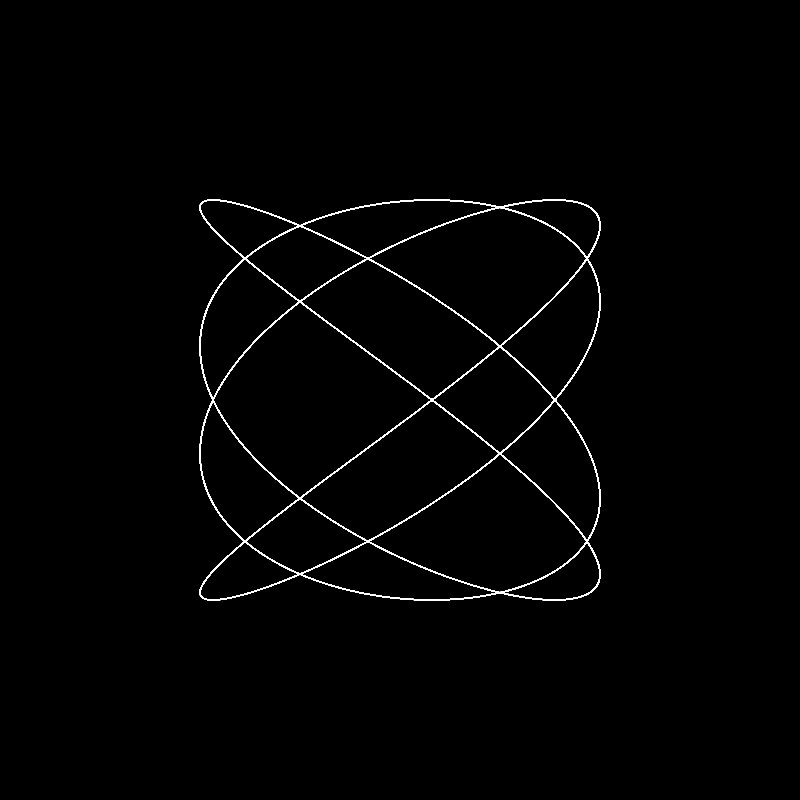
Source (generate your own here)
Brief Explanation of the Harmonograph
A traditional Harmonograph consists of one or more pendulums attached to a pen, which draws on paper as the pendulums swing back and forth. The resulting patterns, known as Lissajous curves, are a stunning display of mathematical beauty formed by the interplay of frequencies, phases, and amplitudes. In modern times, these patterns can be simulated using code, allowing for endless variations and new forms of artistic expression.
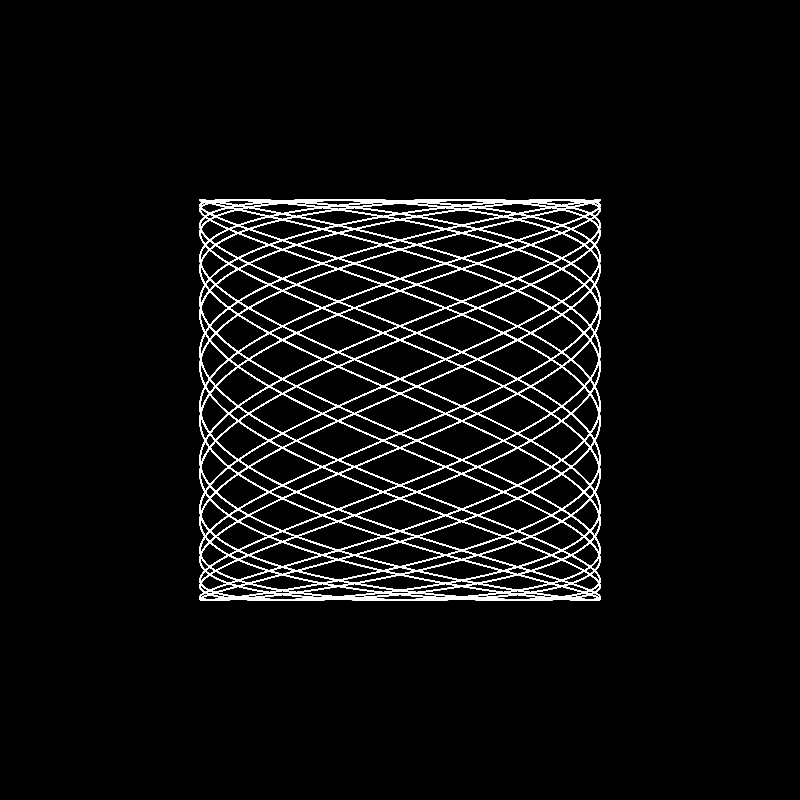
Source (generate your own here)
Why It's Relevant
Creativity and innovation are crucial to staying ahead in today's fast-paced business environment. The Harmonograph's ability to transform simple motions into complex, beautiful patterns is a powerful metaphor for how businesses can harness fundamental principles to generate innovative ideas and solutions. By understanding the underlying mechanics of the Harmonograph, businesses can apply similar concepts to problem-solving, design thinking, and strategic planning.
Interest in the Business Sector
The Harmonograph’s relevance extends beyond its artistic appeal; it offers practical lessons for businesses in several areas:
Design and Branding: Harmonograph patterns' aesthetic appeal can be leveraged in branding and design. The curves and shapes generated can inspire unique and memorable logos, product designs, and visual identities. Companies can use these patterns to evoke a sense of harmony and balance, resonating with consumers subconsciously.
Data Visualization: Just as the Harmonograph visualizes the interplay of forces, businesses can use similar techniques to represent complex data clearly and engagingly. By transforming data into visual patterns, companies can uncover hidden relationships, trends, and insights that might be missed with traditional methods.
Strategic Planning: The Harmonica teaches the importance of balance and timing, key elements in strategic planning. By applying these principles, businesses can better align their resources, processes, and goals, leading to more effective decision-making and long-term success.
Innovation and Creativity: The Harmonograph perfectly shows how simple rules can lead to unexpected and intricate outcomes. This concept can be applied to innovation processes, encouraging teams to explore the potential of fundamental ideas and iterate on them to discover breakthrough solutions.
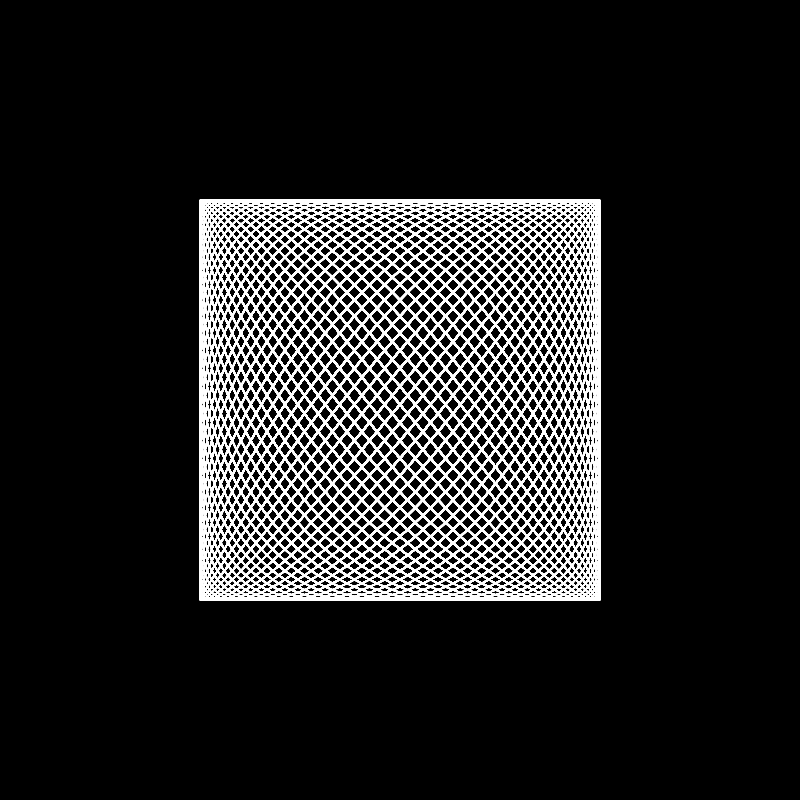
Source (generate your own here)
Use Cases
Marketing and Advertising: Harmonograph-inspired visuals can be used in advertising campaigns to create eye-catching graphics that capture the viewer's attention. These patterns' unique and dynamic nature can set a brand apart in a crowded market.
Technology and Software Development: In software, the principles of the Harmonograph can inform algorithms for generating procedural graphics, animations, and even user interfaces that respond to user input in aesthetically pleasing ways.
Education and Training: Educators and trainers can use Harmonograph-inspired simulations to teach concepts related to mathematics, physics, and design, making complex ideas more accessible and engaging for learners.
Product Design: Companies in product design can use Harmonograph principles to explore new forms and structures, leading to innovative products that stand out in the market. This is particularly relevant in industries like furniture, fashion, and architecture.
Curious Information
The Harmonograph’s patterns have inspired artists and designers and found applications in modern technology. For example, similar algorithms are used in digital audio synthesis to create rich, complex sounds, showcasing the device’s influence beyond the visual arts.
So What?
The Harmonograph is more than just a fascinating scientific curiosity; it's a source of inspiration for modern business innovation. By embracing the principles that underlie its operation—balance, harmony, and the interplay of simple forces—companies can unlock new avenues for creativity, design, and strategy. As businesses continue to seek out fresh ideas and approaches, the timeless elegance of the Harmonograph serves as a reminder that sometimes, the most complex solutions arise from the most straightforward beginnings.
Try out your unique combination of Harmonograph using this Javascript code, or explore the dynamic visualisation we prepared.
let t = 0;

let slider1, slider2, slider3, slider4;

function setup() {
  createCanvas(800, 800);
  slider1 = createSlider(1, 10, 5, 0.1);
  slider2 = createSlider(1, 10, 5, 0.1);
  slider3 = createSlider(0, TWO_PI, PI / 2, 0.01);
  slider4 = createSlider(0, TWO_PI, PI / 2, 0.01);
}

function draw() {
  background(0);
  translate(width / 2, height / 2);
  stroke(255);
  noFill();

  beginShape();
  for (let t = 0; t < 1000; t += 0.01) {
    let x = sin(t * slider1.value() + slider3.value()) * 200;
    let y = sin(t * slider2.value() + slider4.value()) * 200;
    vertex(x, y);
  }
  endShape();
}