

OpenAI has just introduced o1, the first in a series of new “reasoning” models designed to tackle complex questions and tasks faster and more accurately than ever before. Alongside this significant release is the o1-mini, a smaller and more affordable version that offers many of the same benefits but at a lower cost. The excitement around these models, especially the much-anticipated Strawberry model, has been building for months, and now that they’re here, the AI world is buzzing with new possibilities.
This release marks a significant step toward OpenAI's overarching goal of creating human-like artificial intelligence. While o1 outshines its predecessors, especially in areas like coding and solving intricate problems, some essential trade-offs should be considered. Notably, it’s pricier and slower than OpenAI’s previous model, GPT-4o. As a result, OpenAI is presenting it as a “preview” to signal that while promising, it’s still in its early development stage.
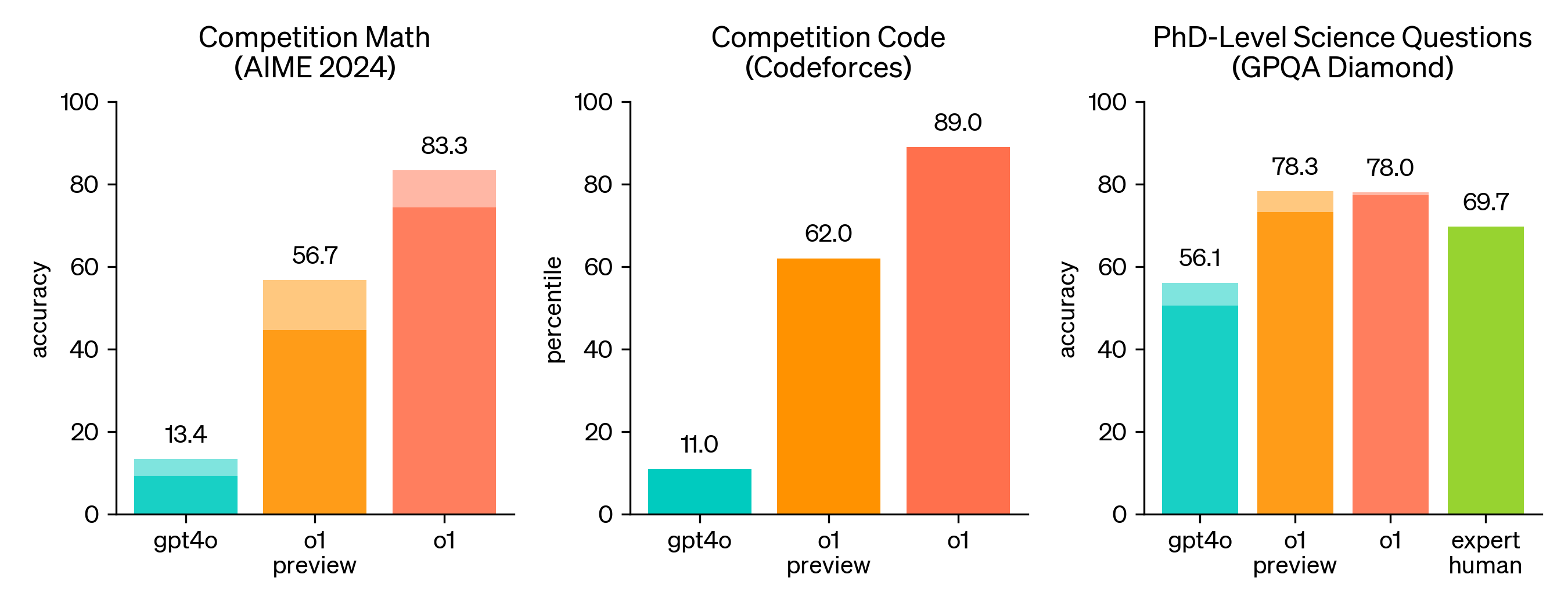
Source: OpenAI
Training o1: Beyond Imitation to True Reasoning
What really sets the o1 model apart is the way it was trained. Instead of just mimicking patterns in vast datasets like earlier AI models, o1 utilizes a method called reinforcement learning. This approach allows it to learn through rewards and penalties, much like humans do. As the model navigates problems, it thinks in a “chain of thought”, breaking tasks down step-by-step. This mimics the way humans reason through complex challenges, helping o1 produce more accurate solutions with fewer hallucinations—those moments when AI generates nonsensical or factually incorrect answers. Though not perfect, o1's accuracy is a big improvement over previous generations.
This new method of training is not just an upgrade in accuracy but also gives o1 the ability to explain its reasoning as it works through problems, particularly in fields like coding and mathematics. This is a key breakthrough: AI that can show its work. For users who rely on the technology to assist with intricate tasks, this transparency could be a game-changer.
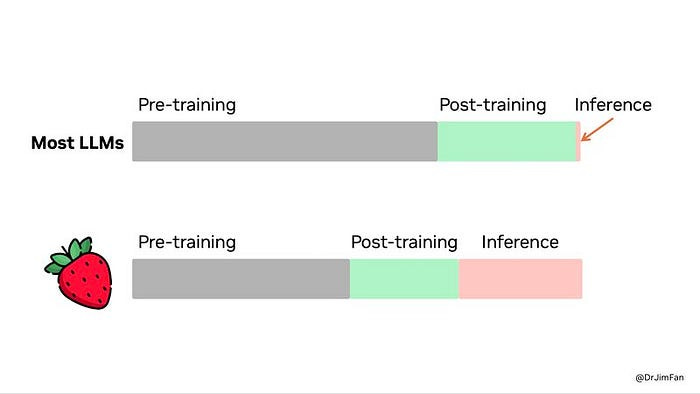
Early Performance: Promising, But Not Without Limitations
In practice, o1’s enhanced reasoning capabilities have already been noticed. The model showcased fewer hallucinations during tests than previous iterations, which means more reliable outputs in critical areas. However, the model is still ironing out a few issues. Its performance can be slower, and the cost remains higher, making it less accessible for everyone at this stage.
As a result, OpenAI is positioning o1 as a preview, suggesting that while it represents a major leap forward, the model is still evolving. Some early users have pointed out that these growing pains, including speed and cost, might limit broader adoption in the short term, but the promise it holds for AI’s future is undeniable.
A Step Closer to the Future of AI
For those who’ve been tracking AI development, o1 represents more than just an incremental improvement. It’s a move toward AI that doesn’t just spit out information, but thinks and reasons like a human—albeit in early form. While the Strawberry model might have started as an internet meme, the o1 launch is proving to be a serious leap forward in how artificial intelligence processes and solves problems.
Though the o1 model comes with a higher price tag and a bit more lag, its ability to handle complex reasoning tasks, explain its thought process, and learn in a more human-like manner marks a significant advancement in AI technology. It’s a promising leap forward that sets the stage for more developments in AI’s journey toward mastering human-like intelligence.
Lemming Drop shows the potential of o1. With a few prompts, we built a simple, original 80s-style game from 0. Play and enjoy. Find more like this here.
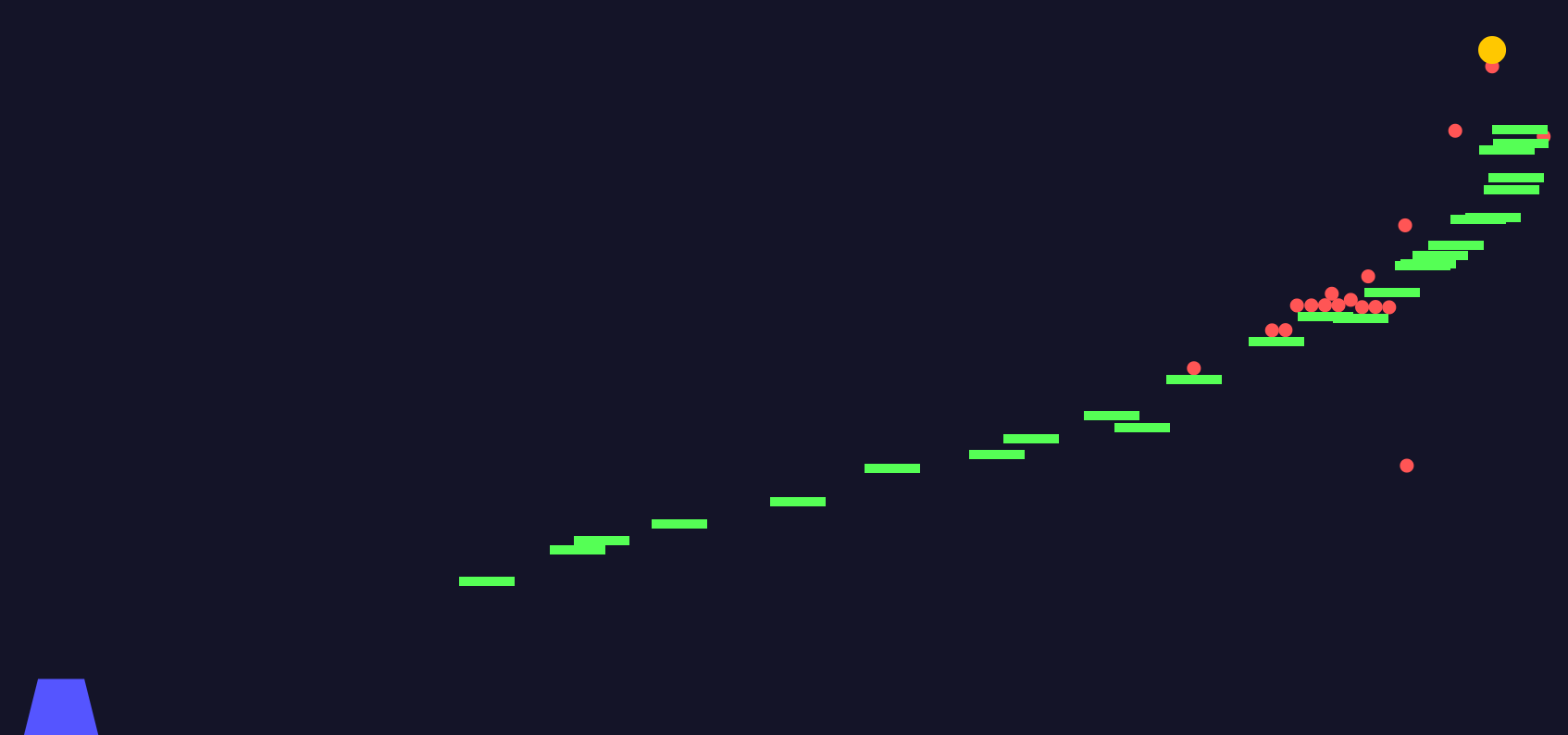
Lemming Drop / Guide the falling lemmings (balls) into the funnel-shaped goal by placing blocks
The Road Ahead
Despite its current limitations, o1 has opened the door to a future where AI can reason, explain, and solve problems with greater accuracy and less supervision. As the technology continues to evolve, we can expect future iterations to be faster, more affordable, and even more reliable. For now, o1 is a glimpse of where AI is headed—toward an era of machines that can truly think, not just compute.