

Businesses stand at the precipice of unprecedented opportunities and risks in the rapidly evolving context of generative AI. As C-level executives chart the course for their organizations, Nassim Nicholas Taleb's teachings—articulated in his seminal works "Fooled by Randomness," "The Black Swan," and "Antifragile"—offer profound insights into navigating this complex landscape.
Embracing Uncertainty: The Illusion of Predictability in AI
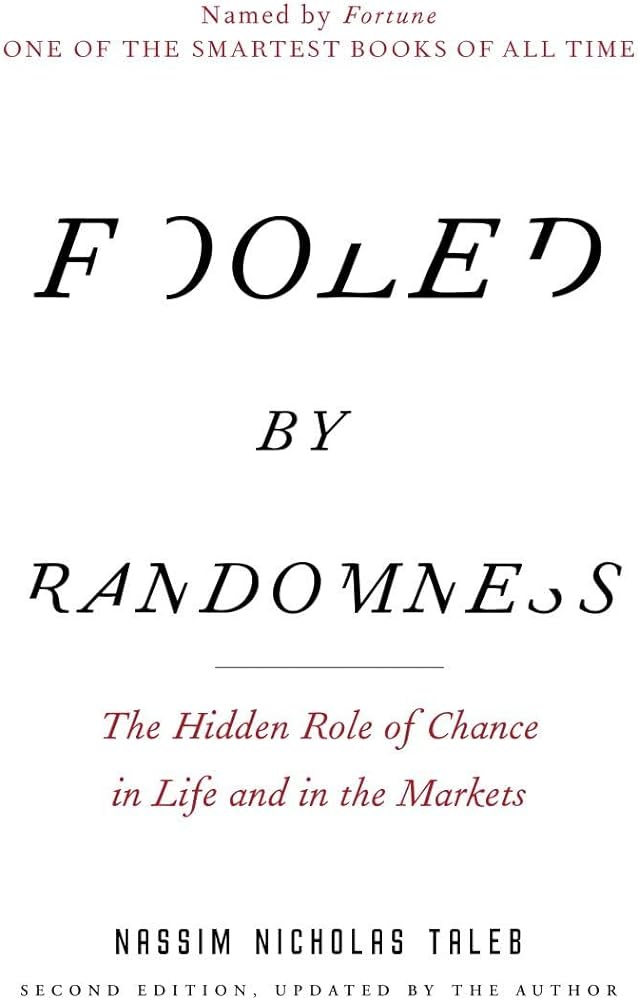
In "Fooled by Randomness," Taleb illuminates the human tendency to misinterpret random events as patterns, leading to overconfidence in predictive models. Generative AI, powered by vast datasets and intricate algorithms, can produce remarkably consistent outputs. However, this consistency may mask complex systems' underlying randomness and unpredictability.
For businesses, this means exercising caution when over-relying on AI-generated predictions. While generative models can identify trends and generate innovative solutions, executives must remain vigilant about the limitations and potential biases embedded within the data and algorithms. Acknowledging the role of randomness ensures a more robust approach to decision-making, mitigating the risks of unforeseen outcomes.
The Black Swan of AI: Preparing for Unpredictable Disruptions
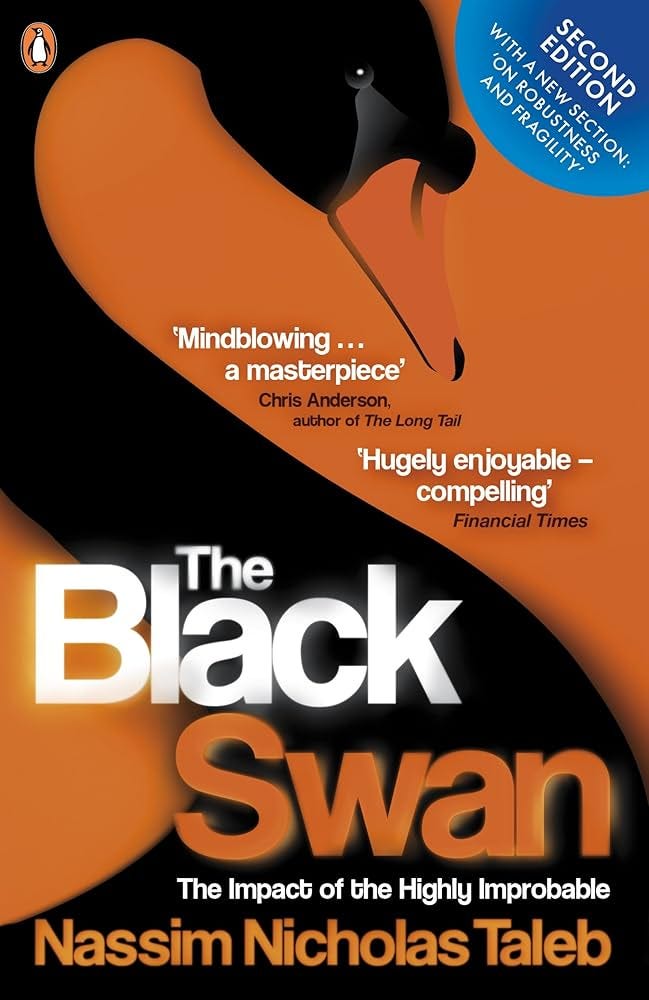
"The Black Swan" delves into highly improbable events yet carry massive impacts. In the context of generative AI, black swan events could manifest as sudden technological breakthroughs or failures that radically disrupt industries. For instance, an unexpected advancement in AI capabilities could temporarily render existing business models obsolete.
C-level leaders must cultivate an organizational culture that anticipates and adapts to such disruptions. This involves investing in flexible strategies, diversifying technological portfolios, and fostering innovation that can pivot quickly in response to sudden changes. By preparing for the unpredictable, businesses can withstand and potentially capitalize on black swan events in the AI domain.
Building Antifragility: Leveraging Volatility for Growth
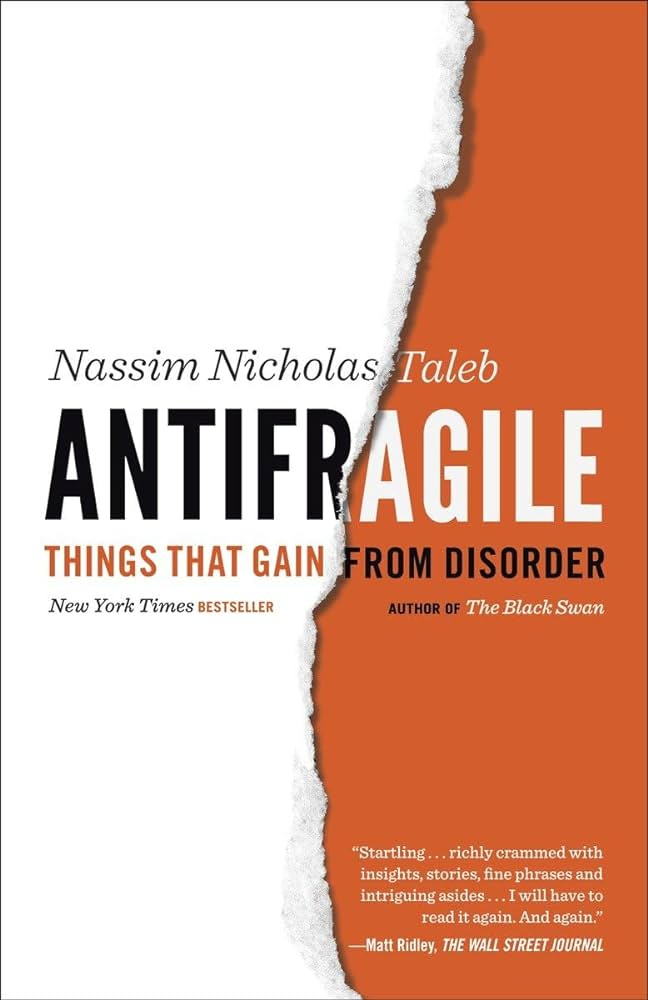
In "Antifragile," Taleb introduces the concept of systems that thrive on volatility and stress. Rather than merely resisting shocks, antifragile entities grow stronger from them. Applying this principle to generative AI, businesses can design systems and strategies that benefit from the inherent uncertainties and fluctuations in AI development.
This could involve iterative learning processes where AI models are continuously exposed to new and challenging data and improve over time. Additionally, organizations can encourage experimentation and embrace failures as learning opportunities, fostering resilience and innovation. By becoming antifragile, businesses position themselves to harness the full potential of generative AI, transforming challenges into catalysts for growth.
Strategic Integration of Generative AI: A Balanced Approach
Integrating generative AI into business operations requires a nuanced understanding of its capabilities and limitations. Executives should:
Maintain Skepticism of Apparent Patterns: Recognize that not all patterns identified by AI are meaningful. Critical evaluation of AI outputs is essential to avoid being misled by spurious correlations.
Anticipate Unforeseen Events: Develop contingency plans for potential black swan events in AI technology, ensuring organizational agility.
Foster an Antifragile Culture: Encourage a mindset that sees volatility as an opportunity for improvement, integrating feedback loops that strengthen systems over time.
Invest in Robust Data Governance: Ensure that data used for AI is diverse, unbiased, and secure, reducing the risk of systemic errors and vulnerabilities.
Conclusion: Steering Through Complexity with Wisdom
The intersection of Nassim Taleb's philosophies and generative AI presents a compelling framework for C-level executives. By acknowledging the limits of predictability, preparing for the improbable, and building systems that thrive on uncertainty, businesses can confidently navigate the complexities of generative AI.
In a world where technology evolves faster than ever, embracing the lessons from "Fooled by Randomness," "The Black Swan," and "Antifragile" equips leaders with the wisdom to steer their organizations through the unpredictable waters of innovation. By doing so, they safeguard their enterprises against unforeseen risks and unlock new horizons of opportunity in the age of generative AI.