

What Is Lovart.ai?
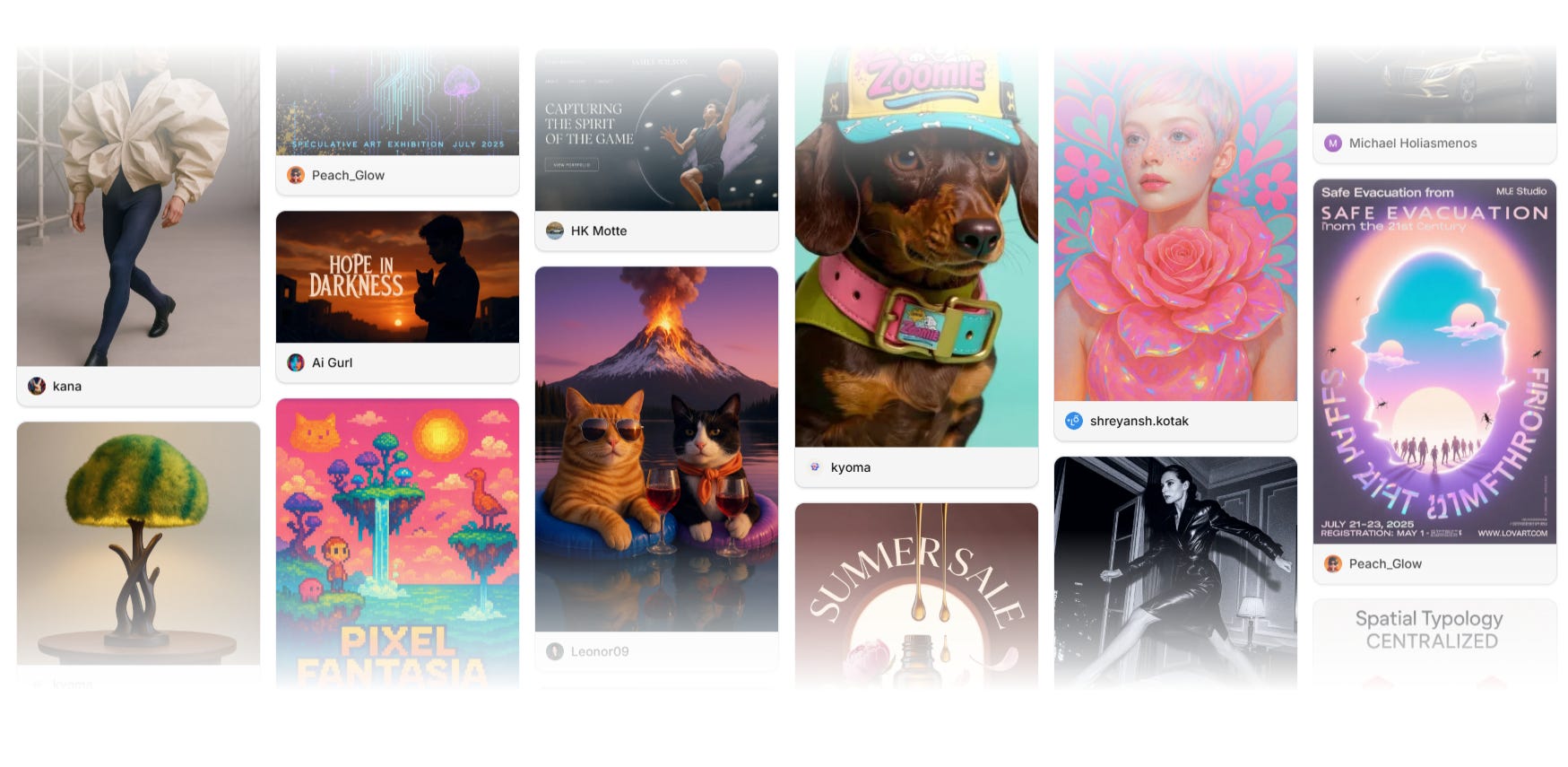
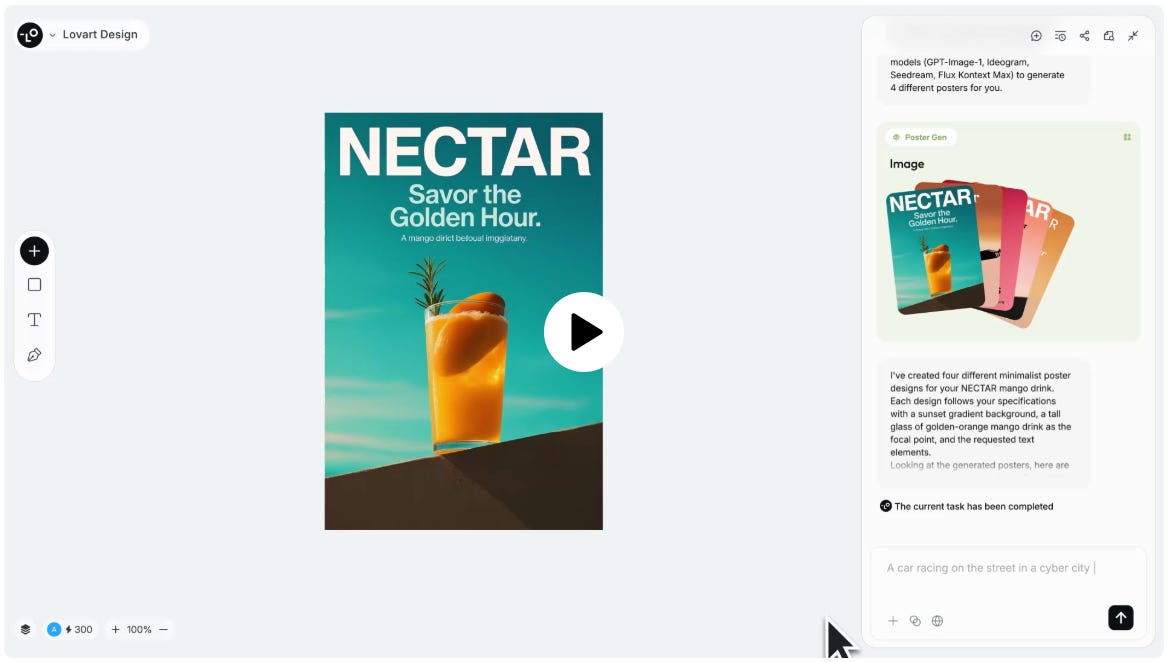
Lovart.ai bills itself as a Design Agent — not just a tool, but an AI partner that aims to cover an entire creative workflow from concept to execution. The platform promises automated generation of brand assets, social posts, visuals, videos, 3D content and more, all from simple natural-language inputs. (Lovart)
The core positioning (also echoed in press coverage and industry commentary) is that Lovart moves beyond traditional AI image generators — such as Midjourney or Canva — by orchestrating multiple creative outputs in a single project, potentially replacing many specialised tools with a single integrated system. (Forbes)
This isn’t just a fancy design editor. It aims to act like an AI creative director that understands context, helps plan campaigns, and produces deliverables that adhere to brand guidelines and use-case demands.
Why It’s Trending
1. Holistic AI Workflow Vision
Lovart is one of the first products to market with the Design Agent framing — positioning the platform as capable of managing entire creative pipelines rather than single tasks, such as image generation. (Skywork)
2. Mass Adoption & Launch Buzz
After an early beta with roughly 800,000 testers, Lovart launched globally at an accessible price point (around $90/month for “agency-grade” outputs), generating wide media and user attention.
3. Broad Promise, Mixed Reception
Early adopters and reviewers on forums and social media describe it as game-changing, praising its ability to unify asset creation and automate ideation. (Reddit)
However, user reviews on platforms like Trustpilot show friction and frustration with the signup experience, perceived pricing inconsistencies, and support issues — leading to low overall service scores in some cases. (Trustpilot)
This mix of tremendous promise and early product pain often drives discussion — especially in creative and entrepreneurial communities debating how far AI can (or should) go.
What Creatives and Leaders Are Saying
Across Reddit, blogs, and industry reviews, a few key themes emerge:
• AI as a co-creator, not just a generator
Lovart is discussed as a platform where users and AI collaborate, with AI taking on strategic roles such as idea breakdown, multi-asset production, and campaign orchestration. (Reddit)
• A unified creative hub vs niche tools
Many users appreciate the ambition to encompass everything from brand identity to video, reducing the need to hop between tools in a typical creative stack. (Lovart)
• Expectations vs experience
While excitement about the vision is high among early adopters, some feedback highlights usability challenges and the importance of realistic deliverables, especially for teams accustomed to established workflows. Some reviewers (competitors? haters?) talk about a possible scam, but not as many as we should consider it a possibility (Trustpilot)
Key Takeaways
1. Lovart.ai is more than an “image generator” — it’s branding workflow automation powered by AI agents.
This shift from single-task tools to orchestrating multi-asset campaigns marks a deeper frontier in creative tooling.
2. The buzz reflects a broader trend toward AI systems thinking: not replacing creatives, but embedding AI into strategic workflows.
This resonates with narratives about AI no longer being experimental but foundational infrastructure.
3. Real-world use matters more than hype.
Early experience — both positive (unified production, speed) and negative (usability challenges, pricing confusion) — underscores the need for disciplined evaluation before enterprise adoption. (
4. For teams and organisations that value structured creativity, Lovart offers a case study in what it looks like to codify creative thinking in AI systems.
That’s precisely the sort of discussion Building Creative Machines seeks to foster — how we design creative processes, not just use tools.
Lovart.ai exemplifies the emerging class of agentic AI products that aim to shift creativity from tool usage to collaborative system design. For readers of Building Creative Machines, understanding Lovart’s promise — and its real-world results — offers a lens into the next phase of generative AI adoption: where creativity isn’t just generated, but operationalised.