

From October 28 to 30, 2025, Lisbon will become a focal point for global leaders in digital infrastructure as the city hosts the second edition of Atlantic Convergence. Organised by DE-CIX in partnership with MEO Wholesale Solutions, Atlas Edge, EllaLink, CAMTEL, and Interfiber Networks, the summit brings together CEOs, policymakers, technologists, and thinkers from Europe, Africa, and the Americas to chart the next chapter of the internet under the influence of artificial intelligence. (Atlantic Convergence)
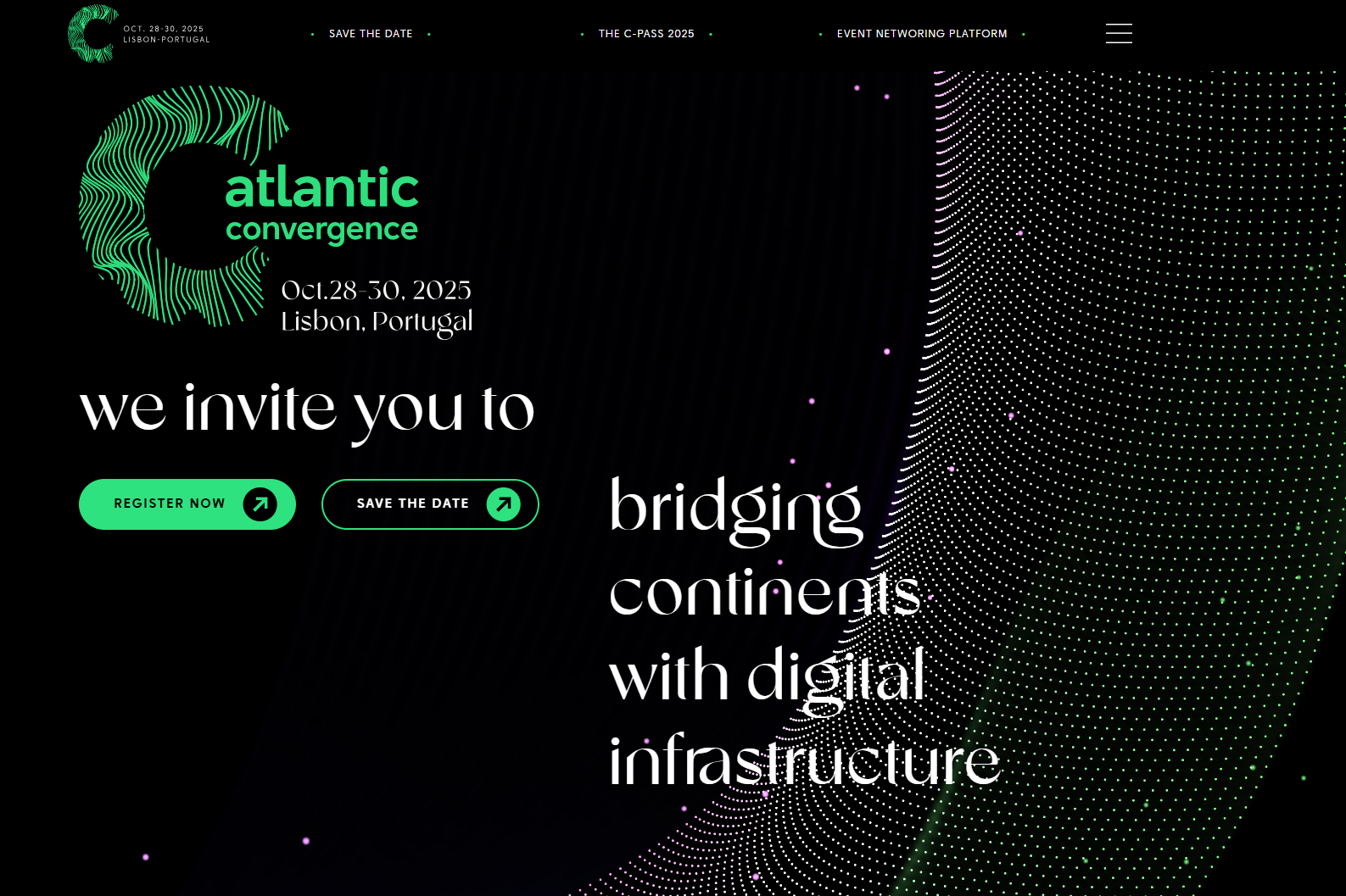
Image: Registration already available
Why Lisbon, Why Now?
Lisbon is positioning itself as a global interconnection hub — a bridge between continents and a landing point for undersea cables. The choice is deliberate: as digital traffic multiplies and new technologies emerge, regions that control the flow of data will hold strategic influence. Atlantic Convergence seeks to shift the conversation from technical infrastructure alone to the way that infrastructure must evolve in an AI era.
Infrastructure Meets Intelligence
At first glance, a conference on cables, data centres, internet exchanges, and regulation may sound remote from the world of AI. But AI is not just a software layer; its demands ripple all the way down to physical networks. Large models, real-time inference, distributed AI at the edge — all require connectivity, low latency, capacity and resilience.
Atlantic Convergence places AI squarely at its core: the conference theme is “Navigating digital changes, empowering transformation,” underlining how rapid innovation and AI are rewriting what infrastructure must deliver. Sessions will explore how AI, quantum computing, next-generation connectivity (6G), and satellite infrastructure reshape digital strategies across the Atlantic.
One standout example is Nokia’s programme: their agenda includes a session titled “Securing the future: AI and Machine Learning in DDoS Mitigation”, showing how AI is already intertwined with network security tasks. (Nokia Corporation | Nokia)
Key Topics: Sovereignty, Trust & Resilience
This year’s edition focuses on three key pillars: Security, Trust, and Compliance. In an era of geopolitical tension, digital sovereignty — meaning the control a country or region retains over its data and infrastructure — is no longer optional. Atlantic Convergence will debate how cable networks, data centres and edge infrastructure can uphold sovereignty without fragmenting global flows.
Beyond sovereignty, the event touches on geostrategy (how physical infrastructure influences global power), sustainability, regulation and public policy. The role of AI is woven through all of these, whether in helping to automate network monitoring or informing regulatory frameworks that strike a balance between innovation and safety.
The Voices on Stage
Already confirmed as speakers are several heavyweight figures:
John Harrington, Executive VP at Nokia, is tackling megatrends across infrastructure
Ivo Ivanov, CEO of DE-CIX, is leading the initiative
Octavio Camarena (CEO, KIO Data Centers)
Chema Alonso (VP, Cloudflare)
Rod Evans (EMEA VP, Nvidia)
Tesh Durvasula (CEO, Atlas Edge)
These voices will explore how infrastructure investments, architectural choices and AI capabilities must align to support growth across continents.
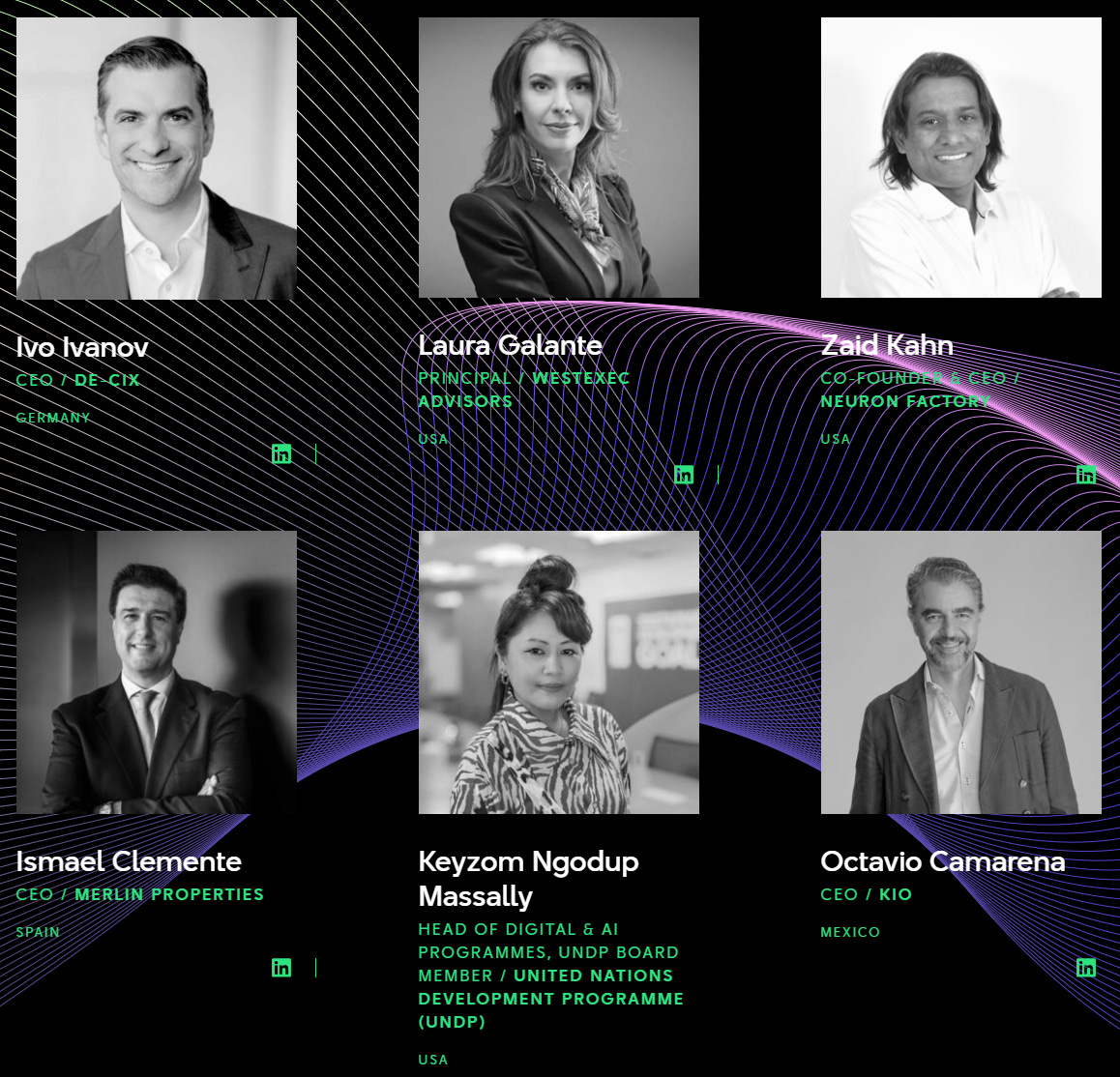
Image: Speakers spotlight
What It Means for the Atlantic Digital Ecosystem
Atlantic Convergence isn’t just talk. Its organisers hope to spark new alliances, cable projects, data centre investments and regulatory frameworks that outlast the event. The first edition already helped catalyse planning for new submarine cables and data centre partnerships in Portugal. (DE-CIX)
For participants, the opportunity is two-fold:
Strategic foresight — understanding how AI demands will stress existing infrastructure and where investments should go.
Network effect — meeting the people who influence global data routes, regulations and major architecture decisions.
Lisbon, in late October, becomes more than a conference venue: it will be a living laboratory where infrastructure meets intelligence. Atlantic Convergence 2025 is a bet on the future — that in the AI age, the physical and the algorithmic must be built in tandem. For investors, technologists and policy makers alike, the event is a chance to help define who controls data, how it flows, and how it powers the next wave of digital transformation.