

The generative AI (GenAI) industry has seen explosive growth in just two years. However, as companies scale and investors pour billions into the sector, the challenges become as complex as technology.
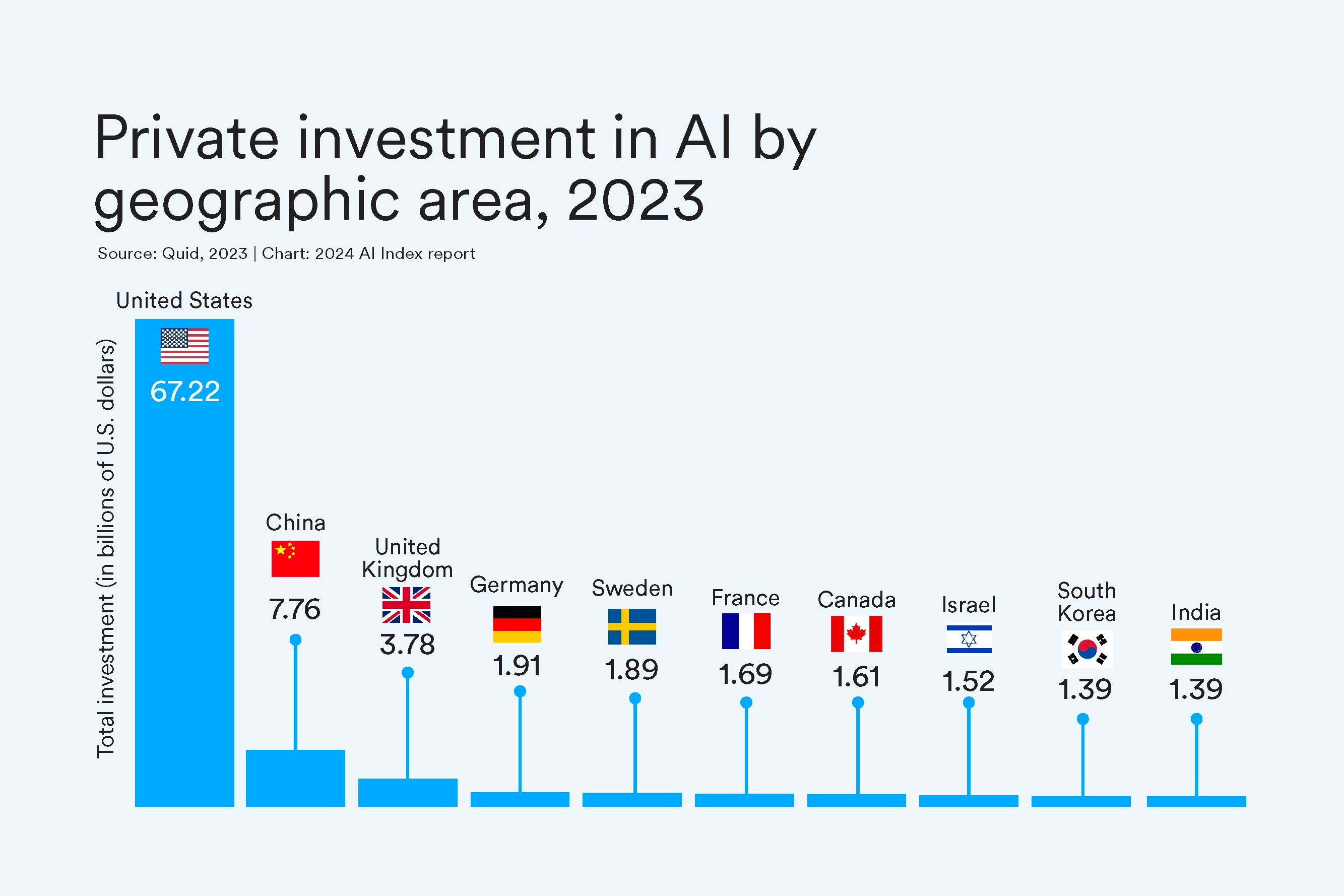
The rise of artificial intelligence has been nothing short of meteoric. Since introducing OpenAI's ChatGPT in 2022, the GenAI sector has grown from a niche interest to a driving force in the global economy. Investment in AI has surged, with over $67 billion funnelled into the sector in the U.S. alone by 2023.
A significant portion, more than $20 billion, was directed towards generative AI products, showcasing the overwhelming interest in this technology.
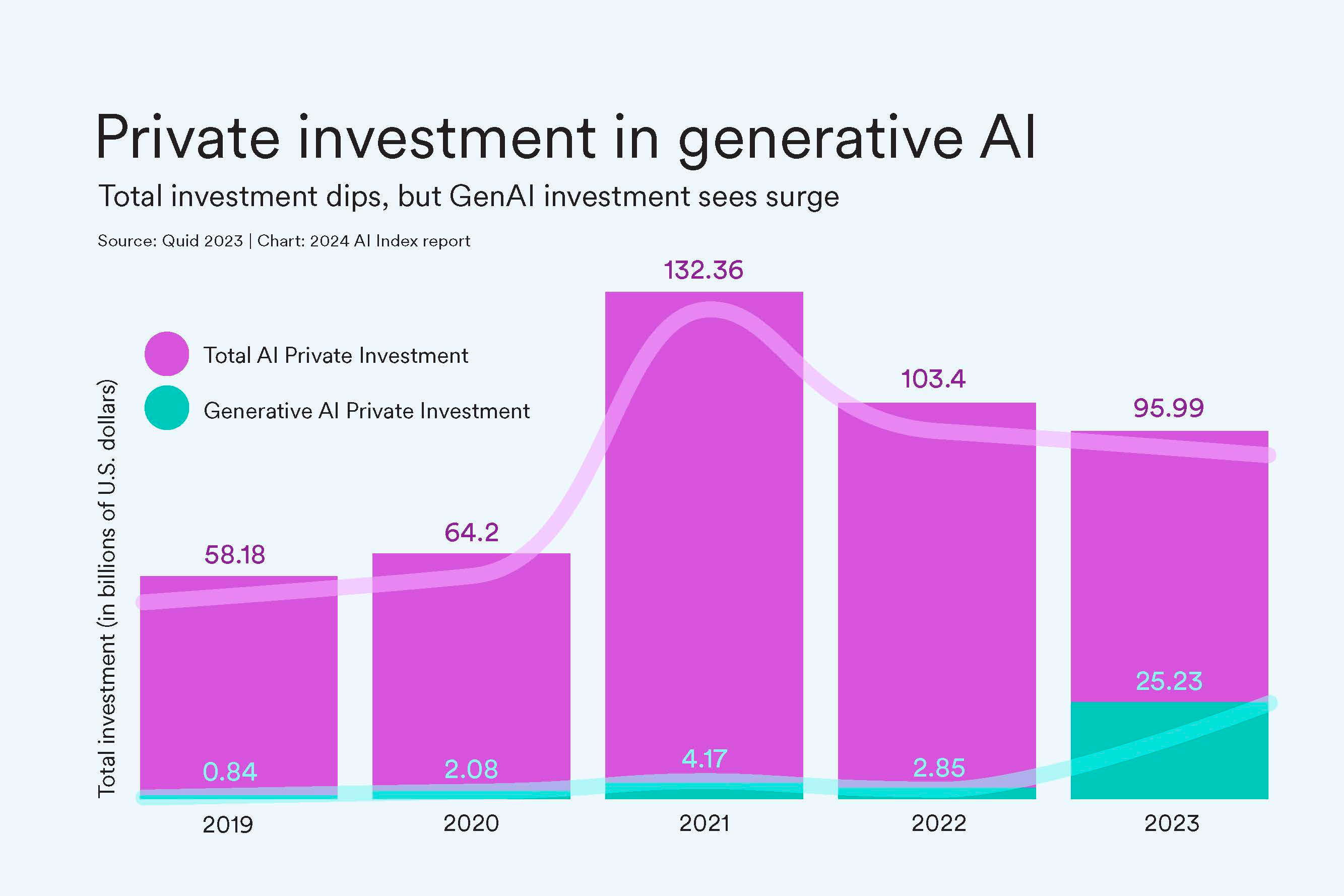
However, this rapid expansion comes with its own set of challenges. While AI's potential seems limitless, the realities of scaling AI solutions in diverse industries have revealed significant growing pains. As businesses integrate AI into their operations, they encounter unexpected hurdles that demand technical and strategic recalibration.
The Double-Edged Sword of AI Hype
For AI entrepreneurs, the influx of interest has been a mixed blessing. On one hand, there's unprecedented demand for AI solutions. More than 90% of the companies on the Inc. 5000 list report using or intending to use AI services shortly, with OpenAI being the most popular provider. However, the surge in interest has also led to widespread misconceptions about what AI can—and cannot—do.
Benjamin Plummer, CEO of Invisible Technologies, a company that provides data services for AI training, highlights this issue. Invisible Technologies has overgrown by helping companies like Microsoft and OpenAI create high-quality training data. Yet, Plummer notes that the biggest challenge isn't attracting clients or securing investment—it's educating stakeholders on the complexities of AI.
This knowledge gap is a significant obstacle. Many investors and customers still view AI through the narrow lens of chatbots and generative art, limiting their understanding of AI's broader capabilities and potential applications. As Plummer puts it, "You might have a healthcare company training a chatbot that needs 100 doctors to test and evaluate the model." This kind of nuanced, industry-specific application of AI is far more complex than a simple chatbot deployment. Yet, it often goes underappreciated by those outside the tech bubble.
The Misunderstanding of AI's Potential
Brandon Tseng, the co-founder of defence technology company Shield AI, regularly encounters this narrow view of AI. Shield AI has been pioneering the use of AI in military applications, particularly in piloting drones and aircraft. Despite the company's success, Tseng finds that many investors struggle to understand the difference between his company's AI and more mainstream applications like ChatGPT.
Tseng’s frustration is emblematic of a broader issue in the AI industry: the tendency to pigeonhole AI as merely a tool for generating text or images. In reality, AI's capabilities extend far beyond these applications. Shield AI’s technology, for instance, allows drones to execute complex manoeuvres that human pilots wouldn't dare attempt, demonstrating AI's potential in high-stakes, real-world scenarios.
This limited understanding among investors and the public can hinder growth. Tseng points out that by viewing AI as just chatbots or generative art, stakeholders are "missing the forest for the trees." The real power of AI lies in its ability to perceive, think, and act autonomously across a wide range of industries, from healthcare to defence to environmental monitoring.
The Evolution of AI-Driven Tools
Even companies that work directly with generative AI, like Topaz Labs or Algorithm G, face challenges in communicating the value of their products. Topaz Labs, known for its image and video enhancement software, utilizes AI to improve the quality of digital images. However, their technology is often misunderstood as a competitor to more creative AI tools like OpenAI’s DALL-E.
This speaks to a broader theme in the AI industry: the need to manage expectations and clarify the real-world applications of AI tools. The most successful AI products augment human capabilities rather than attempt to replace them outright.
Moving Beyond the Hype
As the AI industry matures, it’s clear that the initial wave of hype is giving way to a more nuanced understanding of the technology's capabilities and limitations. While the past two years have seen extraordinary growth, the future will require a deeper understanding of how AI can be integrated into various industries to solve real-world problems.
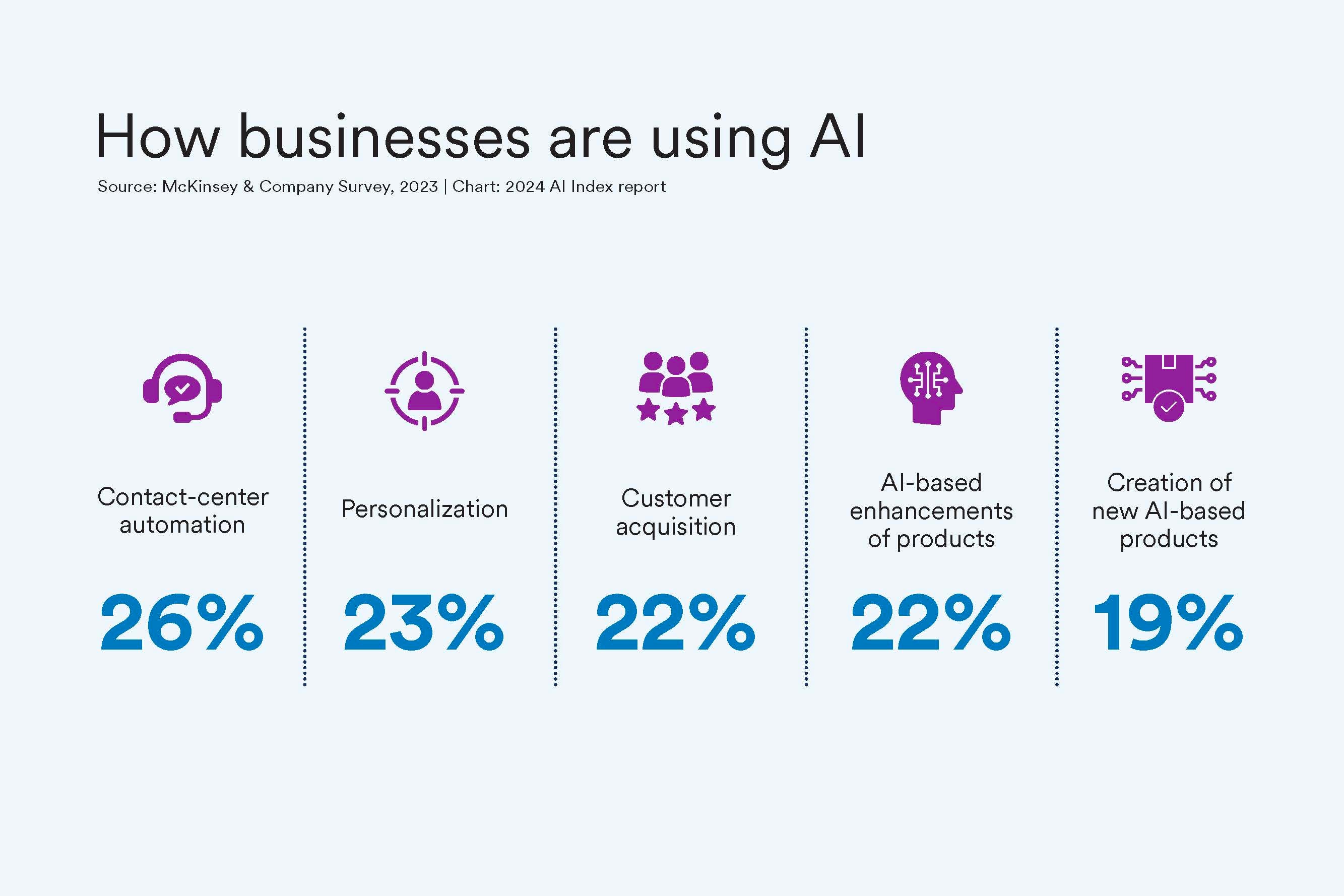
For businesses, this means moving beyond the hype and focusing on AI's practical applications. It's not enough to simply ride the wave of interest in AI; companies must demonstrate how their AI solutions provide tangible value and address specific needs within their markets.
The Road Ahead
The AI industry’s explosive growth is only the beginning. As we look ahead to 2025 and beyond, the focus will likely shift from speculative investment and experimentation to the practical deployment of AI across industries. This will require technological innovation and a concerted effort to bridge the knowledge gap between AI developers and the broader business community.
Ultimately, AI's success will depend on its ability to adapt to real-world challenges and deliver meaningful improvements in efficiency, decision-making, and creativity. As AI continues to evolve, so too must our understanding of its potential and limits. The companies that can navigate this complex landscape will be the ones that truly define AI's future.