

Japan’s AI Hesitation: Government Pushes for a Digital Awakening
In an era increasingly shaped by artificial intelligence, Japan is trailing its global peers—and the government wants that to change.
According to its latest Communications White Paper, Japan’s Ministry of Internal Affairs and Communications has flagged a stark underutilisation of generative AI.
Only 26.7% of the population has used such tools, a leap from last year’s 9.1%, but still far behind China’s 81.2%, the USA’s 68.8%, and Germany’s 59.2%.
What’s striking is that low uptake spans age groups and industries. Even among those in their 20s—digital natives in most countries—usage is just 44.7%. Among people in their 30s, the rate falls below that of their 40-something counterparts. Business adoption, meanwhile, sits just under half at 49.7%.
The government’s message is clear: more needs to be done. “Japan is lagging behind AI-advanced countries... further promotion of AI usage is needed in daily life,” the white paper states.
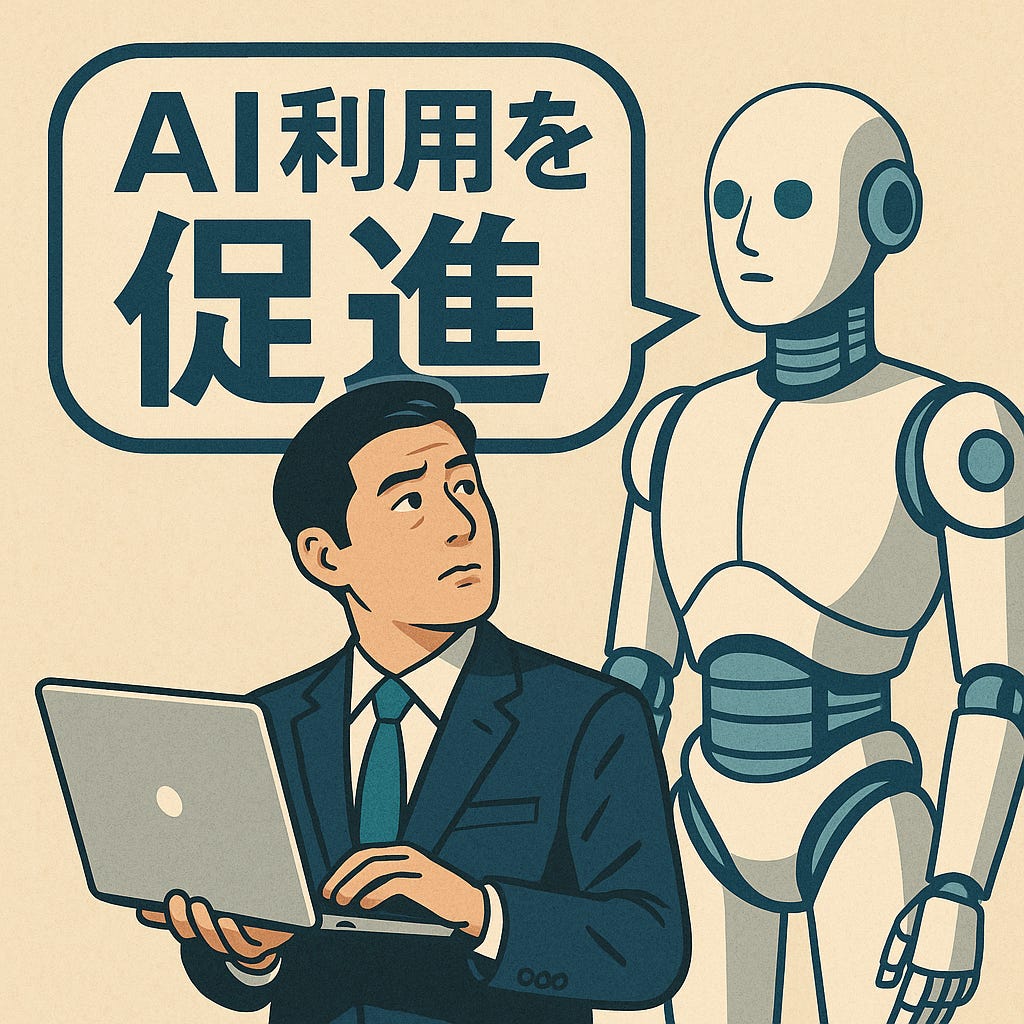
But while the data points to inertia, public sentiment reveals deeper cultural friction. Online commentators cite everything from tech conservatism to societal preference for the “warmth of humanity.” Others mockingly note Japan’s ongoing reliance on fax machines and floppy disks—a symptom, perhaps, of broader digital reluctance.
Still, the issue may not lie entirely with the public. Japan lacks a homegrown generative AI heavyweight, a factor some believe could help spur domestic interest. Others warn that a too-hasty push into AI could backfire if it overlooks issues of quality, legality, and social trust.
Yet the government’s call is not for gimmickry or hype—it’s for engagement. From customer service to creative work, AI is reshaping industries worldwide. Japan’s future competitiveness may hinge on whether it leans in or continues to hang back.
As one commenter put it: “It’s not important how widely it’s used, but if it’s being used properly.” A fair point—but it won’t matter if it’s not being used at all.