

I first met Caitlin Leksana, CEO and Co-Founder of Fazeshift (YC S24), during her inspiring workshop at the INSEAD AI Venture Lab. What struck me most was her ability to make complex ideas about AI and finance feel both practical and urgent.
With experience spanning BCG consulting, a Harvard MBA, and now leading a YC-backed startup, Caitlin brings a rare mix of strategic clarity and founder grit. In our exclusive interview, she shares how her own startup struggles inspired Fazeshift, why AI is uniquely positioned to solve accounts receivable at scale, and how she sees the balance of human and machine evolving in finance.
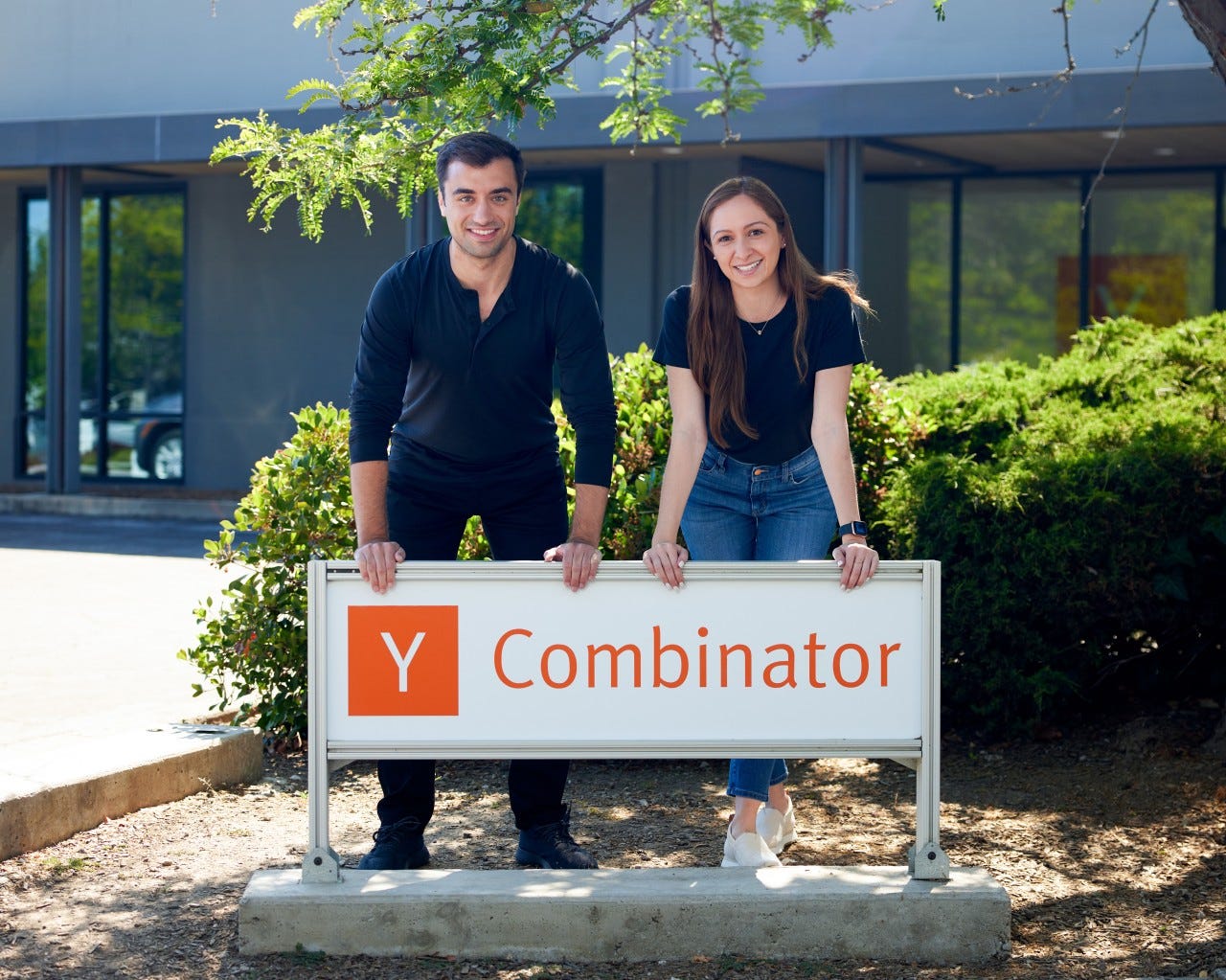
What inspired you to start Fazeshift, and how did you see AI fitting into the future of accounts receivable from the beginning?
What inspired you to start Fazeshift, and how did you see AI fitting into the future of accounts receivable from the beginning? We started Fazeshift after having our own accounts receivable problems at our last startup. We started to build what we wish existed in the world, and it's just grown from there. It turns out accounts receivable is a massive unsolved problem, and one that AI is unique tremendous at solving.
What do you think is the most underestimated challenge enterprises face today in automating financial workflows?
What do you think is the most underestimated challenge enterprises face today in automating financial workflows? Everyone is focused on the obvious, the trick is focusing on the non-obvious but critical workflows within finance. This is what we do at Fazeshift.
How do you see Generative AI evolving the finance back-office — beyond automation into decision-making or forecasting?
How do you see Generative AI evolving the finance back-office — beyond automation into decision-making or forecasting? It's going to continue to evolve - from being a co-pilot, to automating entire workflows. This is happening across all departments - finance, accounting, sales, ops, marketing. Every department within companies are adopting AI right now.
As a YC founder, what have you learned about building AI-driven solutions that scale quickly for enterprise customers?
As a YC founder, what have you learned about building AI-driven solutions that scale quickly for enterprise customers? Focus on a very specific workflow. The best AI-driven solutions are ones that take a very specific workflow, and break it down into specific steps that AI is very good at solving, and then extrapolating that to allow any company to add their unique processes or protocols into those workflows.
Looking ahead, how do you balance the promise of AI efficiency with the human side of finance — relationships, trust, and judgment?
Looking ahead, how do you balance the promise of AI efficiency with the human side of finance — relationships, trust, and judgment? There will always be some form of human approval or audit, that's just a given for the world of finance. The question is how do you increase efficiency and transparency, so they continue to build trust and adoption of AI.
Caitlin’s perspective makes clear that the future of finance is not about replacing people, but about empowering them. By focusing on overlooked yet critical workflows, Fazeshift demonstrates how AI can unlock efficiency, reduce friction, and create systems that build trust rather than erode it. Her vision is both pragmatic and ambitious: a finance back office that evolves from a bottleneck to a growth driver, with AI handling the heavy lifting and humans guiding with judgment and insight.
If you enjoyed this interview, read and learn from dozens of exclusive interviews with leaders from Anthropic, Amazon, Harvard, Microsoft,… at our Interviews section. Subscribe for free.