

Generative Artificial Intelligence (Gen AI) has emerged as a transformative force in creativity and innovation. This article explores the relevance of Gen AI for creativity, examining its potential applications, impact across various sectors, and the challenges that arise from its implementation. As we navigate the post-pandemic era, the intersection of Gen AI and creativity presents unprecedented opportunities for innovation and cultural expression.
Applications and Impact
Augmenting Human Creativity
Gen AI has demonstrated significant potential to augment human creativity and innovation processes, acting as a collaborative partner rather than replacing human ingenuity 1. This partnership between human and machine intelligence opens new avenues for creative expression and problem-solving across multiple disciplines.
Multidisciplinary Integration
The integration of Gen AI extends across various fields, with notable implementations in:
Healthcare (38.6%)
Computer Science / IT (18.6%)
Education / Research (17.3%) 2
This widespread adoption indicates the versatility of Gen AI in enhancing creative processes across diverse sectors.
Cultural Creativity in Rural Settings
In rural China, Gen AI presents unique opportunities for promoting cultural creativity. By training machine learning models on subjective aesthetics, it becomes possible to generate culturally relevant content that resonates with local communities 3. This approach not only preserves cultural heritage but also has the potential to boost tourism through interactive AI media.
Art Education
In art education, Gen AI tools like OpenAI's DALL-E2 are being integrated into curricula to enhance students' creative processes. Students can explore and experiment with their ideas through prompt engineering and iterative refinement, leading to a deeper understanding of AI's creative potential 6. This integration encourages a more detail-oriented approach to artistic work and expands the possibilities for ideation and conceptualization.
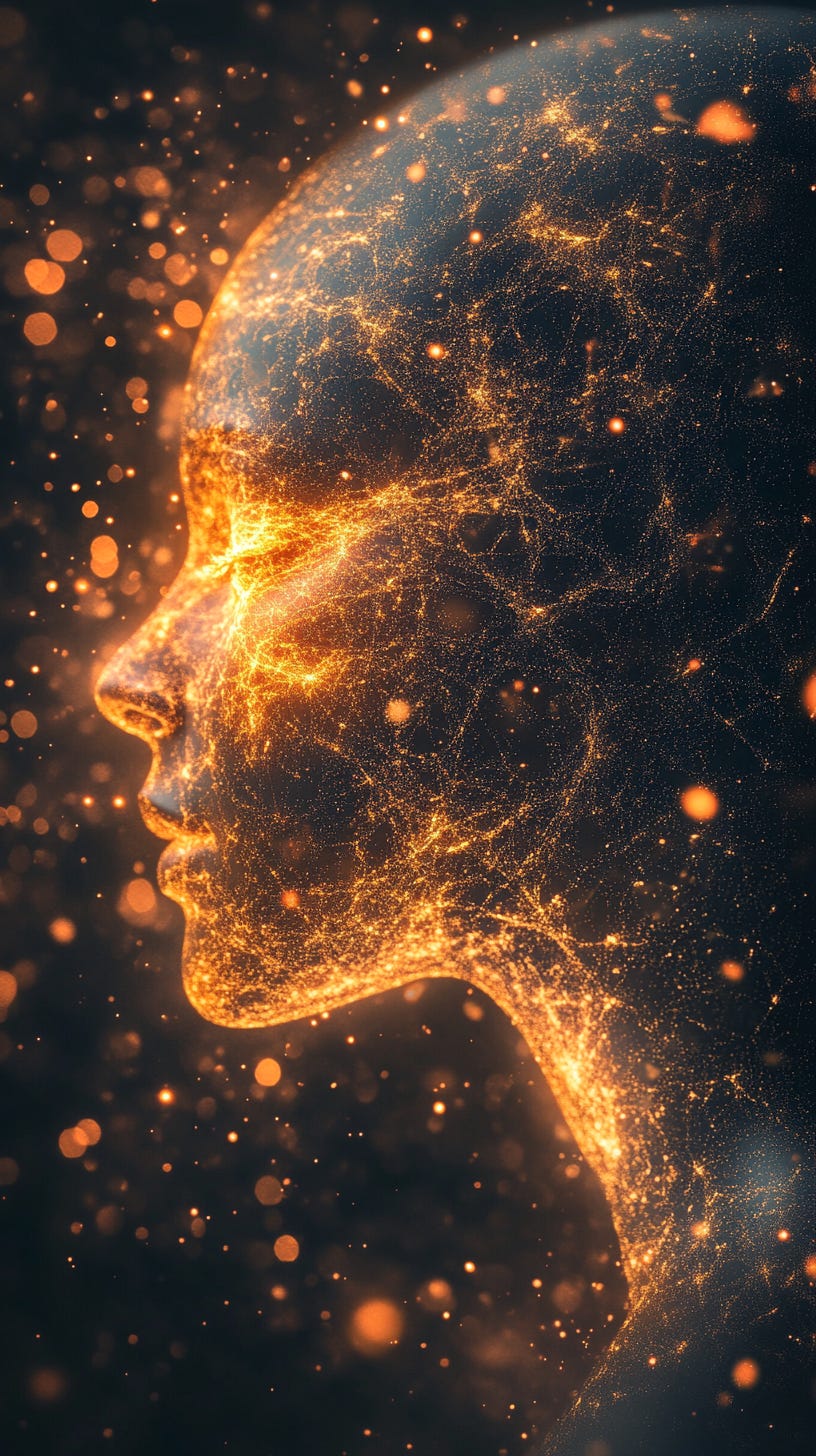
Source: Midjourney, done by Gonçalo Perdigão
Challenges and Ethical Considerations
While the potential of Gen AI for creativity is vast, several challenges and ethical considerations must be addressed:
Bias and Accuracy: Ensuring the reliability and accuracy of Gen AI outputs remains a significant challenge 1 5.
Privacy Concerns: Using large datasets to train Gen AI models raises important privacy issues that must be carefully managed 1.
Ethical Frameworks: Prioritizing responsible development and implementing robust ethical frameworks is crucial for the sustainable integration of Gen AI in creative processes 1.
Copyright and Authorship: Questions surrounding intellectual property rights and the attribution of AI-generated content need to be addressed 6.
Future Trends and Recommendations
As Gen AI continues to evolve, several trends and recommendations emerge:
Holistic Integration: Advocating for a holistic integration of technology that emphasizes AI's potential as a creative enabler rather than a replacement for human creativity 3.
Continuous Research: Ongoing exploration and research efforts are necessary to fully harness Gen AI's capabilities while addressing its limitations 1.
Interdisciplinary Collaboration: Encouraging collaboration between technologists, artists, and researchers to develop more sophisticated and ethically sound Gen AI applications 6.
Education and Training: Implementing educational programs focusing on prompt engineering and ethical considerations to prepare the next generation of creative professionals 6.
Conclusion
Generative AI is at the forefront of a new era of creativity and innovation. Its relevance spans multiple disciplines, offering tools and methodologies to significantly enhance human creative capabilities. However, the responsible development and ethical implementation of Gen AI technologies remains paramount. As we continue to explore the intersection of AI and creativity, it is crucial to maintain a balance between technological advancement and human ingenuity, ensuring that Gen AI serves as a tool for empowerment rather than replacement in the creative process.