

AI Everywhere — More Than a Buzzword
CES 2026, the Consumer Electronics Show in Las Vegas, opened with a clear message: artificial intelligence isn’t just an add-on anymore, it’s the baseline of innovation across industries. Everywhere you look on the show floor, from smart home tech and wearables to robots and vehicles, AI underpins what’s new and next. (WIRED)
This year’s event isn’t about AI as a feature; it’s about how intelligence integrates deeply into products, workflows and everyday life. That shift matters profoundly for anyone building or using creative AI systems.
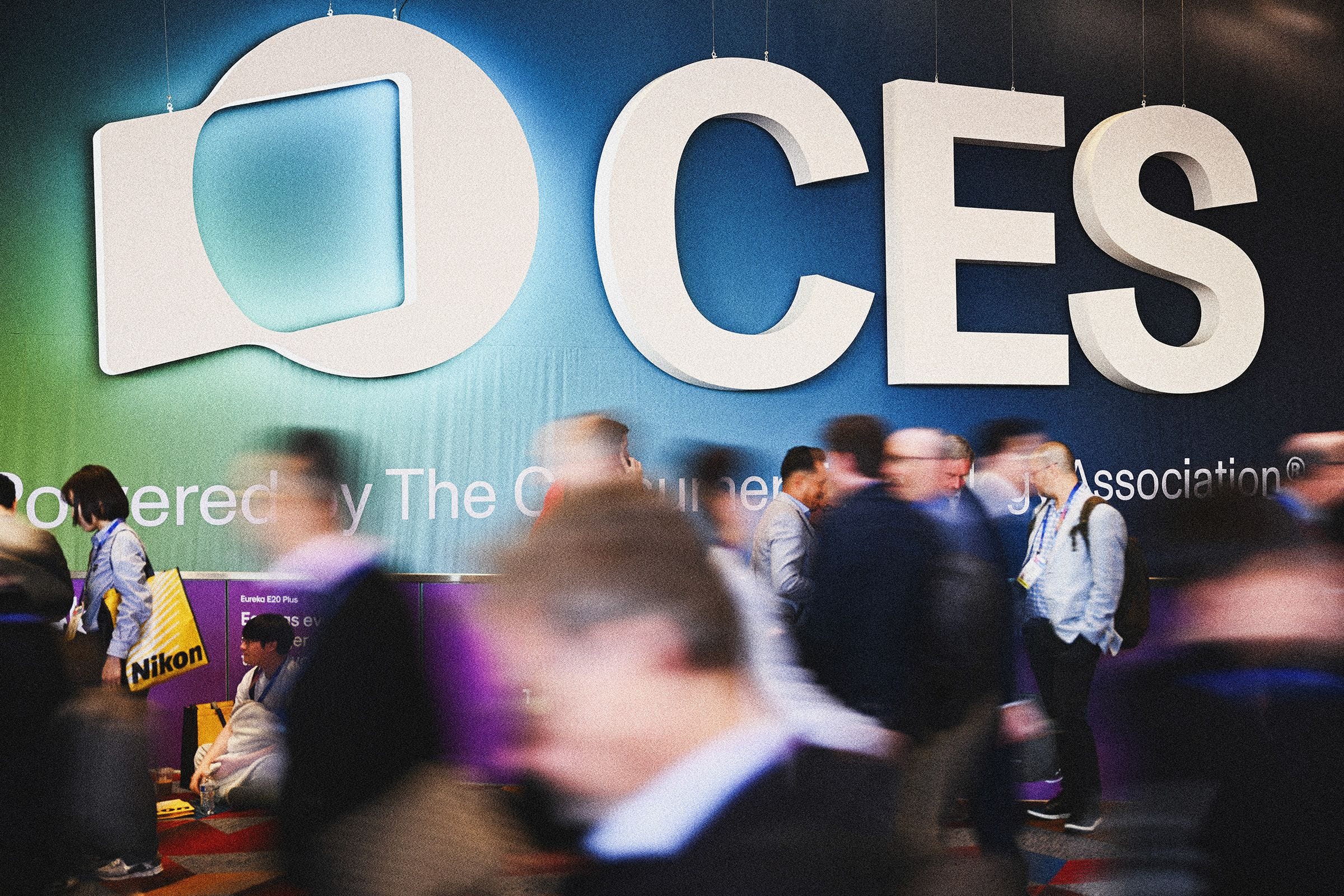
Photograph: PATRICK T. FALLON/Getty Images
The New Landscape: Practical, Physical and Personal
AI as Experience, Not Just Technology
Companies big and small are embedding AI into things people will actually interact with — not just flashy demos. From AI learning robots to smart kitchen tools and health-focused gadgets, the emphasis is on usefulness and context-aware intelligence. (euronews)
This reflects a broader industry understanding: user experience — not raw capability — determines whether an AI product succeeds. (WIRED)
Physical AI and Robotics
One of the most striking themes at CES 2026 is physical AI: intelligence embedded in robots, machinery and real-world systems. Hyundai’s robotics strategy and demos of humanoid and autonomous systems show robots moving from lab curiosities toward practical roles in daily life, industry and mobility beyond cars. (InsideEVs)
Meanwhile, other exhibitors spotlight autonomous lawnmowers with sophisticated perception, and smart glasses and HUD systems built around interactive AI — suggesting a future where creative machines will not only generate ideas but act on them in the world.
Everyday Devices with Intelligent Layers
CES 2026 highlighted intelligent tech on the edge — that is, AI running directly where people live and work on devices like smart appliances, TVs, wearables and assistants. Samsung’s Bespoke AI line, for instance, extends intelligence into home routines and environments.
This trend has implications for creative work: intelligence embedded locally can automate context-specific tasks, empower personalised experiences and free creatives to focus on higher-order thinking.
What Leaders Should Watch
Here are the strategic currents emerging from CES 2026 that matter for creative innovators and executives:
1. AI isn’t an add-on — it’s embedded
Intelligence is moving into the core of products and services in ways that can redefine workflows and competitive landscapes.
2. Physical AI is realising fundamental roles
Robotic systems and autonomous machines hint at a future where creative AI isn’t just symbolic or digital — it acts in the world.
3. Edge and on-device intelligence change expectations
Machine intelligence on local hardware (phones, wearables, appliances) will shift how experiences are designed and how data sovereignty matters. (Arm Newsroom)
4. User experience trumps capability alone
Consumers and businesses care less about capability and more about whether AI improves real practice.
From Demo to Deployment
CES 2026 confirms that AI’s era of novelty is waning; we’re moving into an era where AI is part of the operational reality of technology. For readers of Building Creative Machines, the show reinforces a core thesis: intelligence becomes meaningful not when it’s impressive, but when it’s integrated.
Whether you’re crafting creative strategies, building products or shaping organisational direction, the lesson from CES is clear: the future of AI is practical, pervasive and designed for impact, not just spectacle.