


2025 was not about smarter models.
It was about smarter organisations.
The winners did not chase intelligence.
They built creative machines: clear inputs, strong constraints, fast feedback, human judgment where it matters.
This was the year AI became a management problem.
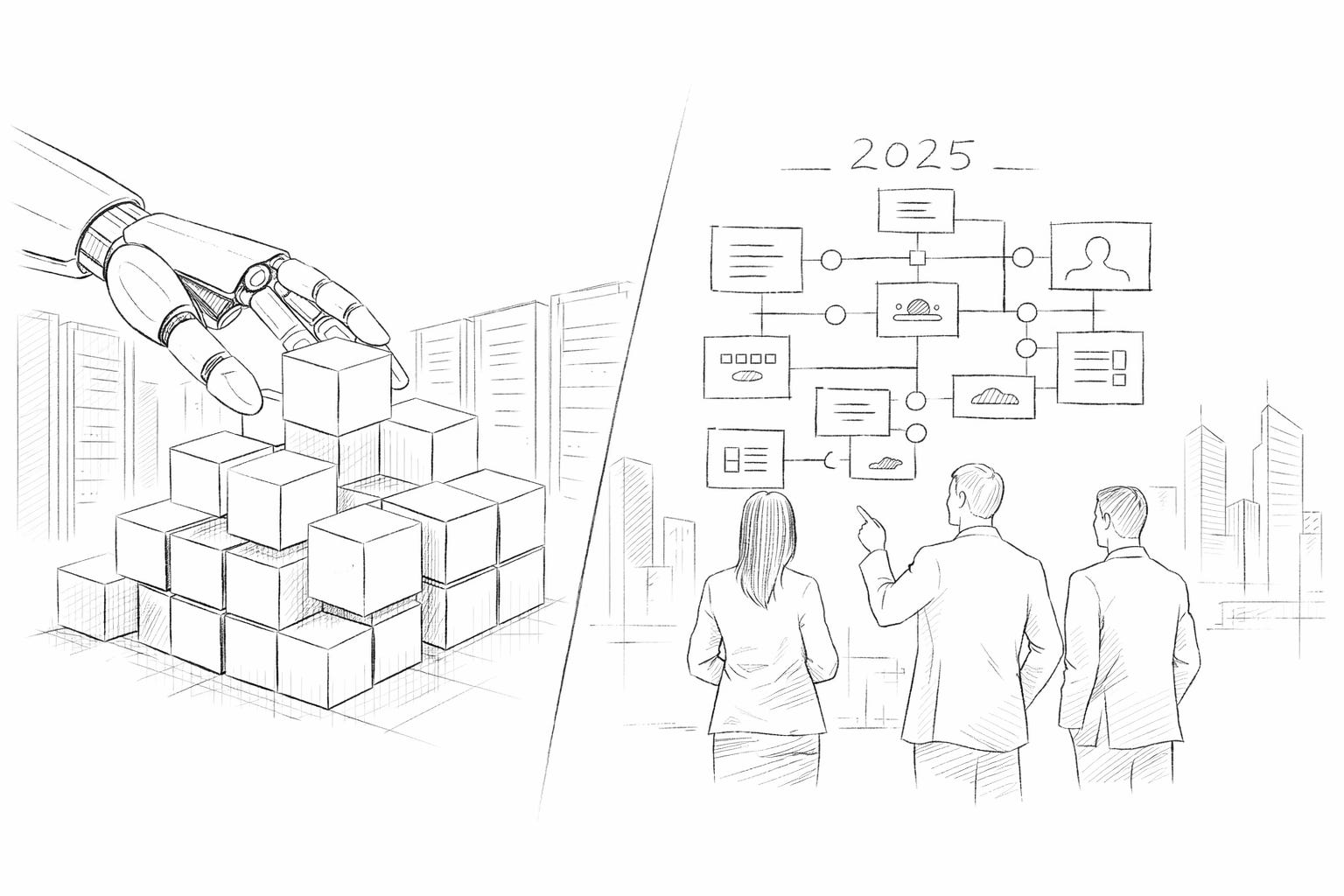
1. Models Commoditized, Systems Differentiated
Everyone has access to powerful models now.
That advantage is gone.
What matters is how you combine:
Data flows
Workflow design
Human oversight
Decision rights
Creativity no longer lives in prompts.
It lives in systems. Innovative, tailor-made system prompts support part of the system.
2. AI Moved Into the Org Chart
The most advanced companies stopped “using AI” and started managing it.
AI now:
Drafts before meetings
Simulates scenarios before decisions
Reviews work before humans do
Not replacing people.
Raising the baseline of thinking.
The question shifted from Can we do this?
To Who owns this?
3. Speed Became a Cultural Choice
AI exposed something uncomfortable.
Technology was not the bottleneck.
Culture was.
Teams that moved fast shared three traits:
Clear goals
High trust
Low tolerance for noise
AI amplified whatever already existed.
Clarity scaled. Confusion exploded.
4. Creativity Became Operational
In 2025, creativity stopped being a department.
It became:
A repeatable process
A measurable output
A leadership responsibility
Creative machines do not wait for inspiration.
They produce options on demand.
This is the quiet revolution.
5. The Real Divide Going Into 2026
Not AI vs non-AI companies.
But:
Companies that designed for AI
Companies that bolted it on
One builds leverage.
The other builds friction.
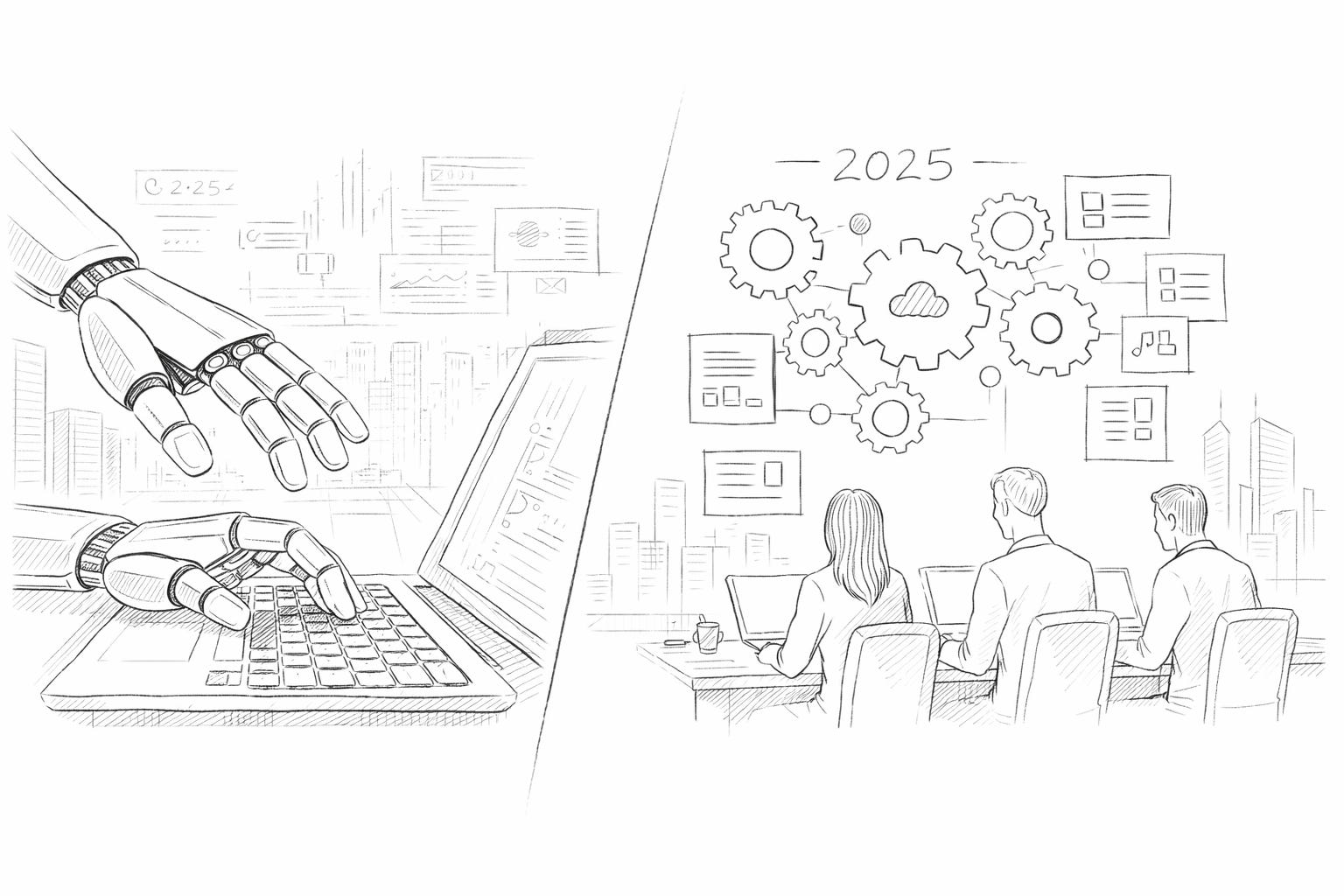
AI in 2025 did not change what leadership is.
It revealed it.
Clear thinking.
Good taste.
Strong systems.
The future is not artificial. It is designed.